
Essential Guide for Daily-use Ceramic Exporters: Stable Glaze Quality = Stable Orders
November 10, 2023
Essential Guide for Daily-use Ceramic Exporters: Stable Glaze Quality = Stable Orders
For us daily-use ceramic exporters, glaze defects are the biggest headache. A batch of products with pinholes or uneven colors can lead to price cuts at best, or full order returns at worst—resulting in huge losses. Actually, ensuring qualified glaze quality and color stability boils down to three core aspects: glaze materials, glazing techniques, and firing processes. Every common glaze defect has a targeted solution, and today we’ll break this down in plain language for fellow exporters.
First, let’s talk about the key factors affecting glaze quality and color. Since our exported goods require strict standardization, these three aspects must be closely monitored:
1. Glaze materials must be reliable
The ratio of raw materials like quartz and feldspar in the glaze must comply with export standards—no random adjustments allowed. Incorrect ratios will cause the fired bowls and plates to crack or develop pinholes, which will get rejected by overseas customers right away. Additionally, the glaze must be thoroughly mixed and sieved to remove impurities; otherwise, the glaze surface will have bumps and uneven colors, ruining even the best-designed products.
2. Glazing techniques must be consistent
Whether using spray glazing or dip glazing, the glaze thickness must be uniform across all products. Too thin a layer will make the surface look dull and cheap due to exposed base clay; too thick a layer will cause glaze buildup and dripping, sticking bowl rims together and making them impossible to pack. After glazing, the blanks should be air-dried slowly in a cool, ventilated area instead of being exposed to direct sunlight. Inadequate moisture removal will definitely lead to bubbles during firing.
3. The firing process is the top priority
The temperature and atmosphere inside the kiln must remain stable from start to finish. Insufficient temperature will result in a dry, lackluster glaze surface that looks like a defective product. Excessively high temperature will make the glaze over-melt and flow, distorting product dimensions. Fluctuating kiln atmosphere during firing will cause colorants in the glaze to misfire, leading to uneven colors in the same batch—something that will never pass customer inspection. Moreover, avoid rapid heating or cooling; otherwise, the mismatch in thermal expansion between the glaze and the blank will cause glaze cracking and crazing, essentially ruining the entire order.
Next, let’s go over the most common glaze defects in exported goods and their solutions to minimize return rates:
1. Pinholes/Bubbles
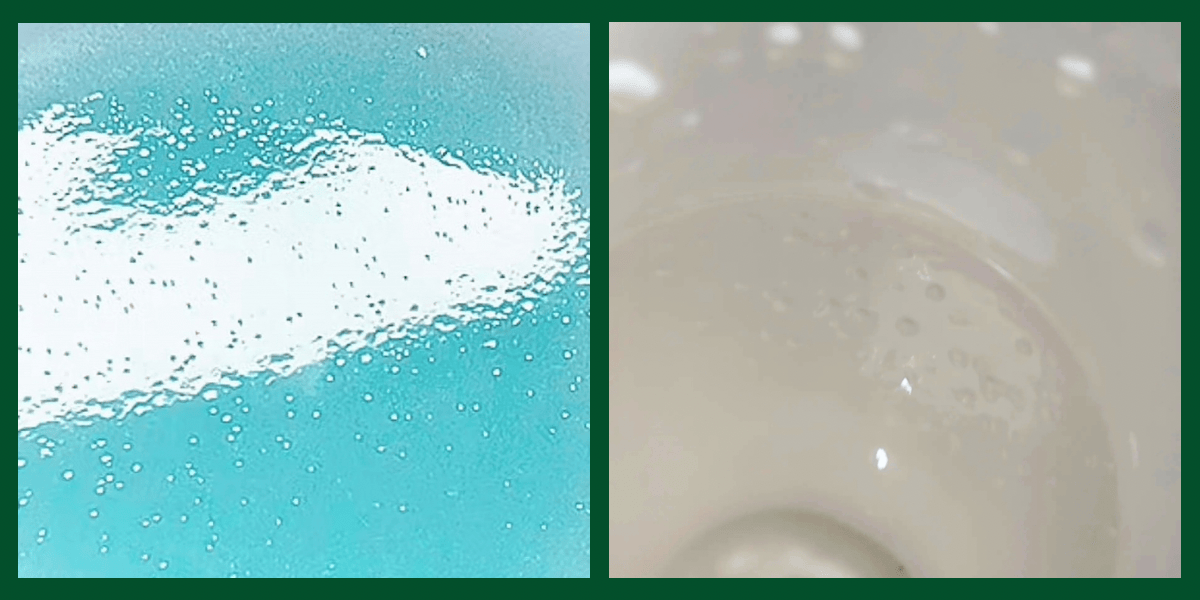
Dense small pits on the glaze surface are considered defective by overseas buyers, who will refuse to accept such goods. This issue is mostly caused by trapped air bubbles from insufficient glaze mixing, overly fast drying of blanks, or rapid heating in the 200–600℃ stage of firing.
The solution is straightforward: Let the mixed glaze settle for 10–20 minutes before use; air-dry glazed blanks slowly in a cool place; slow down the heating rate during the 200–600℃ stage instead of rushing the process.
2. Glaze Buildup/Dripping
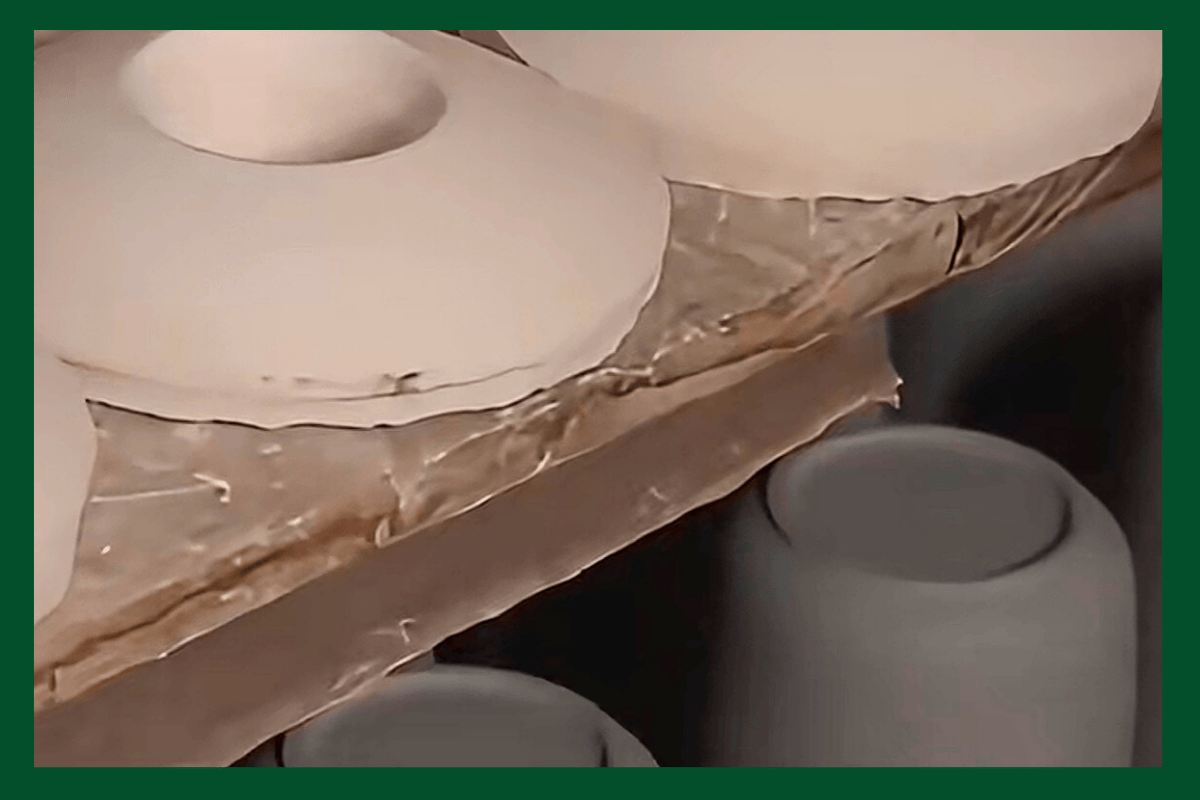
Thick glaze accumulation on bowl or plate edges, or even glazing sticking to kiln furniture, makes the products completely unsellable. This is simply due to overly thick glaze application or excessively high firing temperature that thins the glaze too much.
Here’s what to do: Standardize the duration for spray or dip glazing to ensure consistent glaze thickness; slightly lower the firing temperature or shorten the high-temperature holding time to keep the glaze surface smooth and drip-free.
3. Dull/Dry Glaze Surface
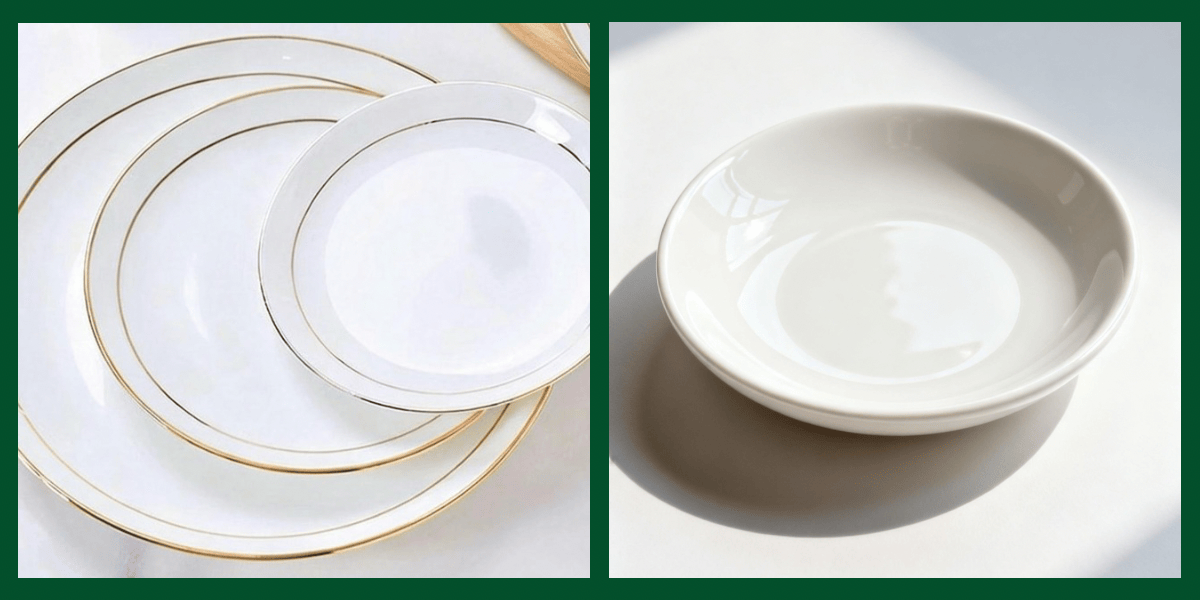
Fired daily-use ceramics with a gray, lackluster glaze surface look low-grade and cannot command a good price. This is mostly caused by insufficient firing temperature that prevents full glaze melting, or an inadequate amount of flux like feldspar in the glaze formula.
The fix is clear: Appropriately raise the firing temperature and extend the high-temperature holding time to fully melt the glaze; fine-tune the glaze formula by adding a small amount of feldspar to instantly boost the glaze’s luster.
4. Glaze Cracking/Crazing
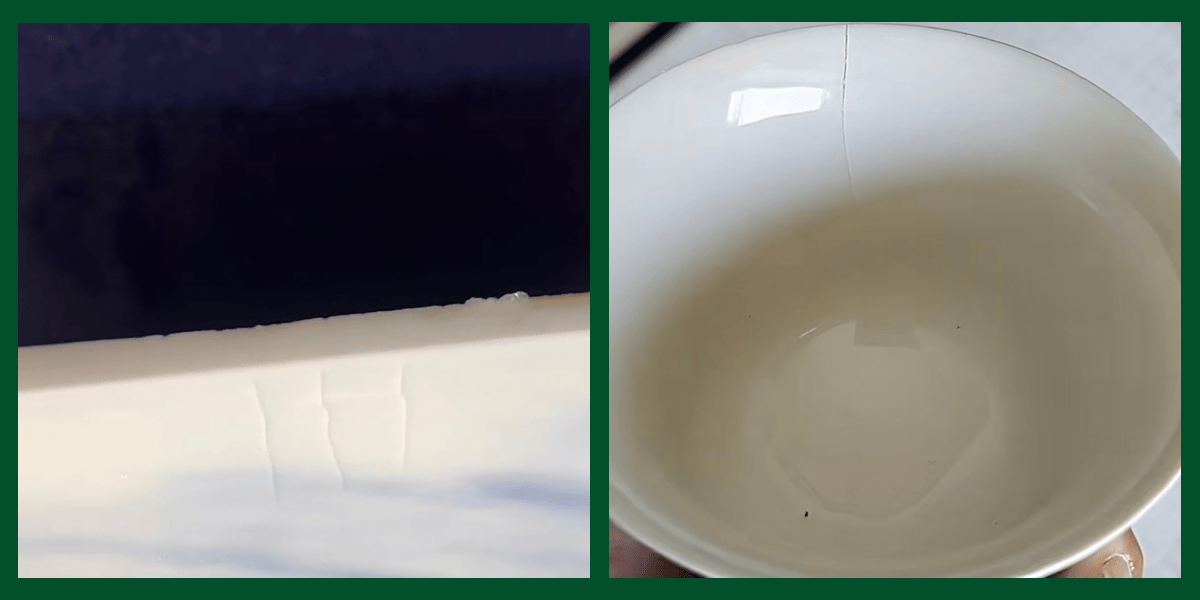
Web-like cracks on the glaze surface, or cracks that penetrate into the blank, are serious quality issues that will definitely result in customer returns. This happens when rapid heating or cooling causes a mismatch in thermal expansion coefficients between the glaze and the blank, creating internal stress.
Don’t mess around with random formula adjustments—try this first: Slow down the cooling rate in the later stage of firing and avoid opening the kiln prematurely; purchase glaze materials that are pre-matched to your blanks instead of experimenting with homemade formulas to prevent such problems.
5. Uneven Color/Color Misfire

Plates or bowls in the same batch with inconsistent colors, or misfired decal patterns, are a major red flag in export inspections. This is either caused by unstable kiln temperature and atmosphere, incompatibility between decals/colorants and the glaze, or uneven glaze thickness from improper glazing.
Remember these solutions: Avoid opening the kiln door randomly during firing to maintain stable atmosphere; always conduct small-batch test firings for new decals or colorants to confirm compatibility before mass production; keep a consistent distance between the spray gun and blanks, and move the gun at a steady speed to ensure uniform glaze coverage.
6. Speckles/Impurity Spots
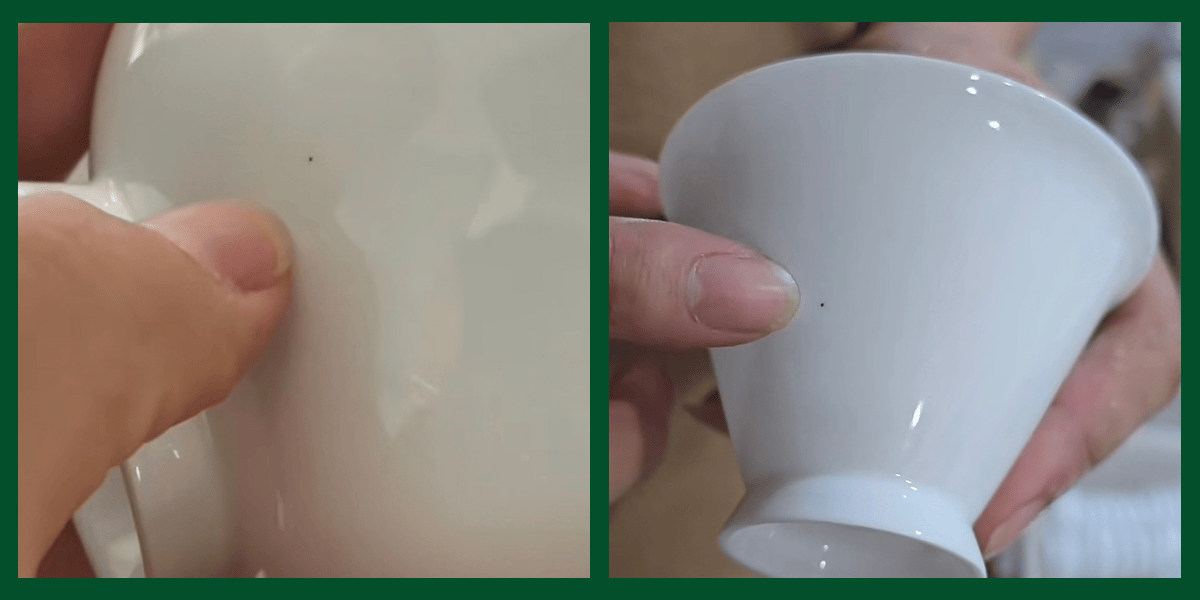
Small black or white specks on the glaze surface that feel rough to the touch are regarded as blemishes by overseas customers. This is caused by impurities mixed in the glaze, dust contamination in the glazing or drying area, or unclean blanks before glazing.
This problem is easy to solve: Always sieve glaze materials before use and keep mixing tools clean every day; cover glazing and drying workshops with dust-proof cloths to prevent dust from settling on blanks; wipe blank surfaces with a clean, soft cloth before glazing to ensure they are free of debris.
As daily-use ceramic exporters, our competitive edge lies in product quality stability. Resolving these glaze issues will naturally boost customer repurchase rates and help us secure steady orders for the long run!